From $200of fabric.
To a company run by agents.
I co-founded a vertically integrated manufacturer and apparel brand. Now I'm building the agents that run it, and writing down everything I learn along the way.

 Illustration
most of them built
with AI agents beside me.
The fabric
 Illustration
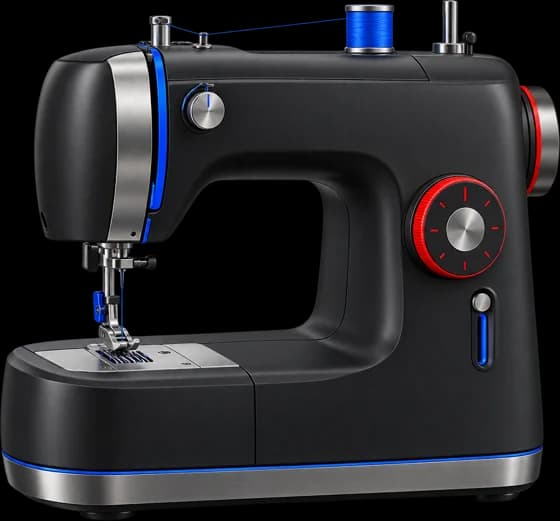
That's what we started with. Fabric, an apartment, and an Etsy shop.
My co-founder and I hand-sewed the first pieces ourselves. I learned the business by doing every job in it: making, shipping, answering customers, and figuring out what to make next.
The factory
We didn't hand the making to someone else. We built a microfactory in San Diego.
Design, UV printing, cutting, sewing, and shipping, all in one building. Every operating decision was ours to make, which made it a good place to test better systems.
One roof, the whole chain
Vertically integratedDesign
Prints and patterns made in-house
UV printed on fabric in-house
Cut
Cut to size from digital patterns
Sew
Sewn to order
Ship
Shipped from the same building
Sell
Sold direct, online
 Illustration
Print  Illustration
Cut  Illustration
Sew  Illustration
Ship
Revenue per employee
2024 · my companyLess manual operations time
2024 · my companyCash tied up in inventory
Results from my own company, from its own records. The inventory drop came from better forecasting and operating decisions.
 Illustration
Then the craft became code.
The same instinct that built the factory now builds software. The printer still runs. Now agents run the work around it.

The machines
I've been building software for years. This year the work flipped: now I build every day with AI agents beside me.
These numbers come straight from my own work, as of the latest ledger update.
Code changes in 2026
Updates shipped live
AI agents and automations
Code shipped per month
Code changes per full month in 2026, from March, across every project I work on, each counted once. How I count.
When AI took over
- Feb
The flip
I moved my day-to-day building onto AI agents. The monthly count starts here.
- Mar
The first full month
1,419 code changes, the baseline everything after is measured against.
- Sep 25
This story
The pictures on this page are illustrations, made with GPT Image 2.5.
- Oct
7,355 changes in a month
The busiest month yet, about 5 times March.
The ladder
More autonomy means tighter guardrails, not looser ones.
- 1
Agents propose. I approve.
Every system starts with a person making the call.
- 2
Every decision gets recorded.
What I approved, changed, or turned down, and why.
- 3
Results get measured.
Each kind of task has to prove it gets it right, again and again.
- 4
Autonomy widens.
First it suggests, then it drafts, then it acts with an undo button. One step at a time.
One company, three systems.
Each system runs its own part of the business. They share one rule: the decisions that matter come to me.
Finding customers
Marketing, ads, email, search, content
Making the product
Products, inventory, orders, production
Running the company
Money, people, tax, compliance, paperwork
the callOn what matters
Departments of agents.
7 departments, each with a job, a team of named agents, and everything it has learned so far. One agent in each checks what's missing and asks me before the department takes on more.
 Illustration
The company that runs itself.
Agents find the work, do it, check it, and learn from every decision I make. The ones that prove themselves get more room. I'm building it in the open.
Every system I ship knows when to stop and ask.Read the build note
Build notes
All build notes →A full quarter of building with agents
What 1,900 code changes in three months actually looked like.
ReadQualityAn AI that catches its own mistakes
Building the check into the system instead of hoping for good output.
ReadJudgmentWhere my systems stop and ask me
The decisions I keep for myself, by design.
ReadFactoryRunning a factory floor from a chat bot
Production updates where the team already talks.
ReadGroundingKeeping AI honest about what we sell
Locking answers to the real catalog and the real prices.
ReadDay to dayA day working with AI agents
How the work actually gets split between me and the agents.
Read
Get the newsletter.
New build notes from inside my own companies. What worked, what broke, and what I'd do again.